If you buy from one of the links in this post, I may earn a commission. Visit my Privacy Policy for more information on affiliates.
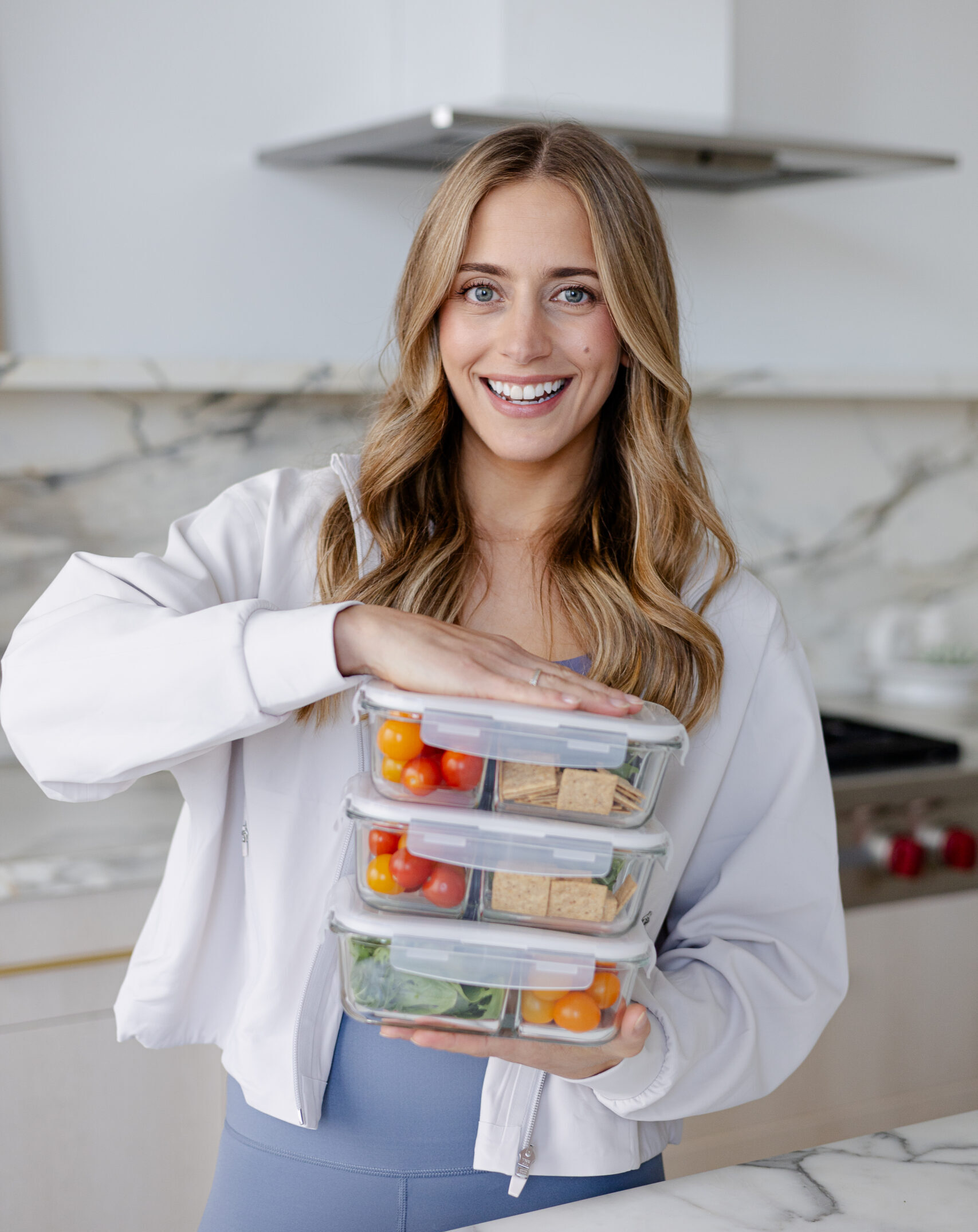
Who says lunchboxes are just for kids?
As a registered dietitian who specializes in ADHD-friendly nutrition, I created these adult lunchables with executive function in mind.
They’re quick to throw together, balanced to keep you full and focused, and fun enough that you’ll actually look forward to opening your lunchbox.
These snack box ideas are a way to make eating healthy doable, even on your busiest days.
Partnership disclosure
A big thank you to CropLife Canada for sponsoring this blog post! They help support Canadian farmers in growing safe, sustainable, and nutritious food.
As always, all opinions shared here are my own.
How to make balanced and healthy lunchables
I am going to share a bunch of adult lunchable ideas below, but you really don’t need a recipe to do this.
You can make your own healthy lunchables by following this simple formula:
Protein + Complex Carbohydrate + Fruit and/or Veggies + Healthy Fat
This combination gives you a variety of nutrients, helps balance your blood sugar and energy between meals, and keeps you feeling full and focused longer.
Here’s how each piece of the puzzle works.
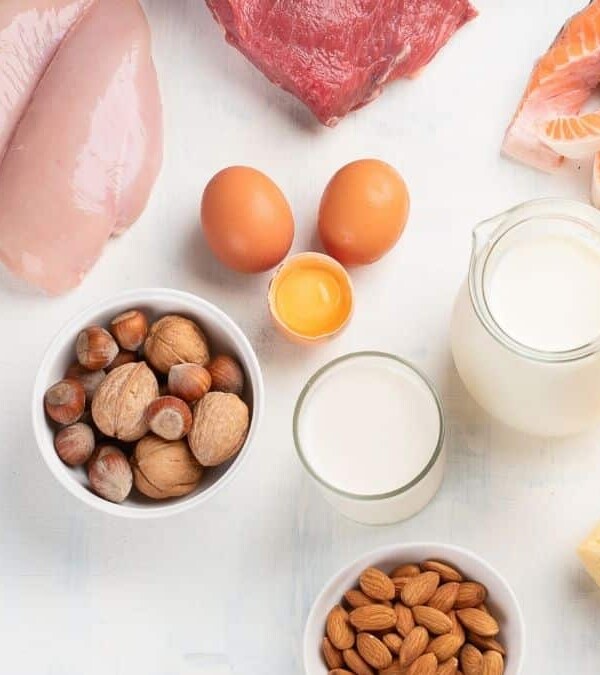
Protein
Protein slows digestion, stabilizes energy, and keeps you satisfied so you’re not raiding your snack drawer an hour after lunch.
Ways to add protein to your lunchbox
- Hard-boiled eggs
- Deli meats, like sliced turkey, ham, or chicken
- Pre-cooked chicken breast
- Cottage cheese
- Black beans, chickpeas, or lentils
- Canned tuna or salmon
- Edamame
- Turkey or chicken jerky
- Greek yogurt cups
- Falafel
- Mini meatballs
Complex carbs
Carbohydrates are your brain’s main fuel source. Choosing a fibre-rich or whole-grain option gives you a slower release of energy (instead of a quick spike and crash).
Ways to add carbohydrates to your lunchbox
- Whole grain crackers
- Mini bagels
- Pita
- Oat crackers
- Whole grain muffins
- Brown rice
- Quinoa
- Popcorn
- Pretzels
- Whole grain tortilla chips
- Rice cakes
- Pasta salad
Fruits & veggies
Produce brings fibre, vitamins, minerals, and antioxidants to the table. The more color variety, the more nutrients you get.
The best part? Frozen, canned, and dried options count too!
Fresh ingredients aren’t the only way to create a healthy lunchbox. Shelf-stable and frozen produce can be just as nutritious, is often more affordable, and quicker to prep.
Ways to add fruits and veggies to your lunchbox
Fresh, frozen, canned, or dried fruits
- Apples
- Oranges
- Grapes
- Berries
- Bananas
- Mangos
- Pineapple
- Peach
- Pear
- Cranberries
- Raisins
Fresh, frozen, or canned veggies
- Bell peppers
- Cucumber
- Cherry tomatoes
- Carrots
- Snap peas
- Celery sticks
- Broccoli
- Roasted zucchini, peppers, or eggplant
Healthy fats
Fat keeps meals satisfying, helps absorb fat-soluble vitamins (A, D, E, and K), and adds flavor.
Ways to add healthy fats to your lunchbox
- Avocado or guacamole
- Any kind of cheese
- Nuts and seeds (almonds, walnuts, pumpkin seeds)
- Hummus
- Olives
- Dips and dressings
Once you have these building blocks, the combinations are endless!
Swap in what you already have on hand and you’ll end up with an easy, delicious, and balanced lunch.
Should I buy organic or non-GMO?
As a dietitian, I often get asked whether you should buy organic or non-GMO food to support your health.
And the short answer is: It depends on your preference, not your health.
In Canada, ALL food must meet strict safety standards before it ever makes it into your grocery cart.
It’s also worth noting that organic doesn’t mean “pesticide-free”. Organic farmers use pesticides too.
While they are usually naturally derived rather than synthetic, “natural” doesn’t mean safer.
If you’re worried about pesticide residues on your food, rest assured that Canadian food is closely monitored and safe to eat.
Health Canada sets the acceptable amount of pesticide residues allowed to remain on food, which are called Maximum Residue Limits (MRLs). Over 99% of Canadian grown and imported produce tests well below these limits.
That means that all Canadian-grown crops are rigorously tested and safe to eat, no matter which label you choose.
And while there are small nutrient differences between organic and conventional produce, they’re not significant enough to impact health.
What really matters for nutrition is soil quality and growing conditions, not the label.
Plant science innovations help Canadian farmers grow a safe, reliable, and sustainable food supply. These innovations also make it easier for us to enjoy more Canadian-grown food.
GMOs have been studied by scientists for over 30 years and pose no more risk to human health than non-GM foods.
So when it comes to organic and non-GMO vs. conventional, it really comes down to personal choice!
All options are nutritious and healthy.
The most important thing is eating a variety of foods in a way that fits your lifestyle.
And these DIY lunchables are a great way to do that!
Easy & healthy adult lunchables ideas
The moment you’ve been waiting for…
These healthy lunch combos are quick to pack, balanced with nutrients like protein and fibre, and way more fun than a sad desk salad.
Let’s dive in!
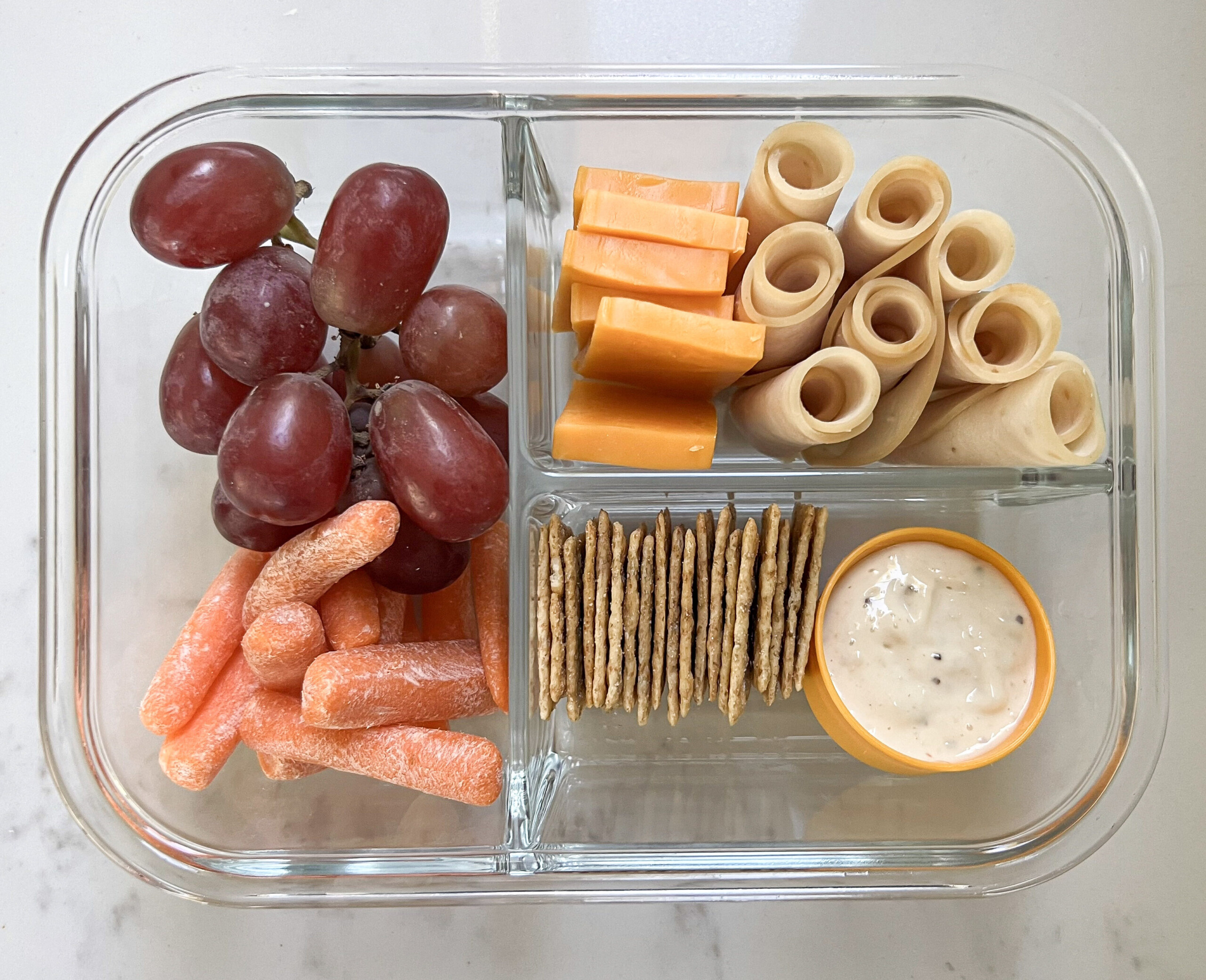
- The classic lunch box
- Cheese slices
- Whole grain crackers
- Deli meat, like sliced turkey, ham or chicken
- Baby carrots with dip
- Grapes
- PB&J lunch box
- Peanut butter
- Strawberries
- Greek yogurt
- Whole grain graham crackers
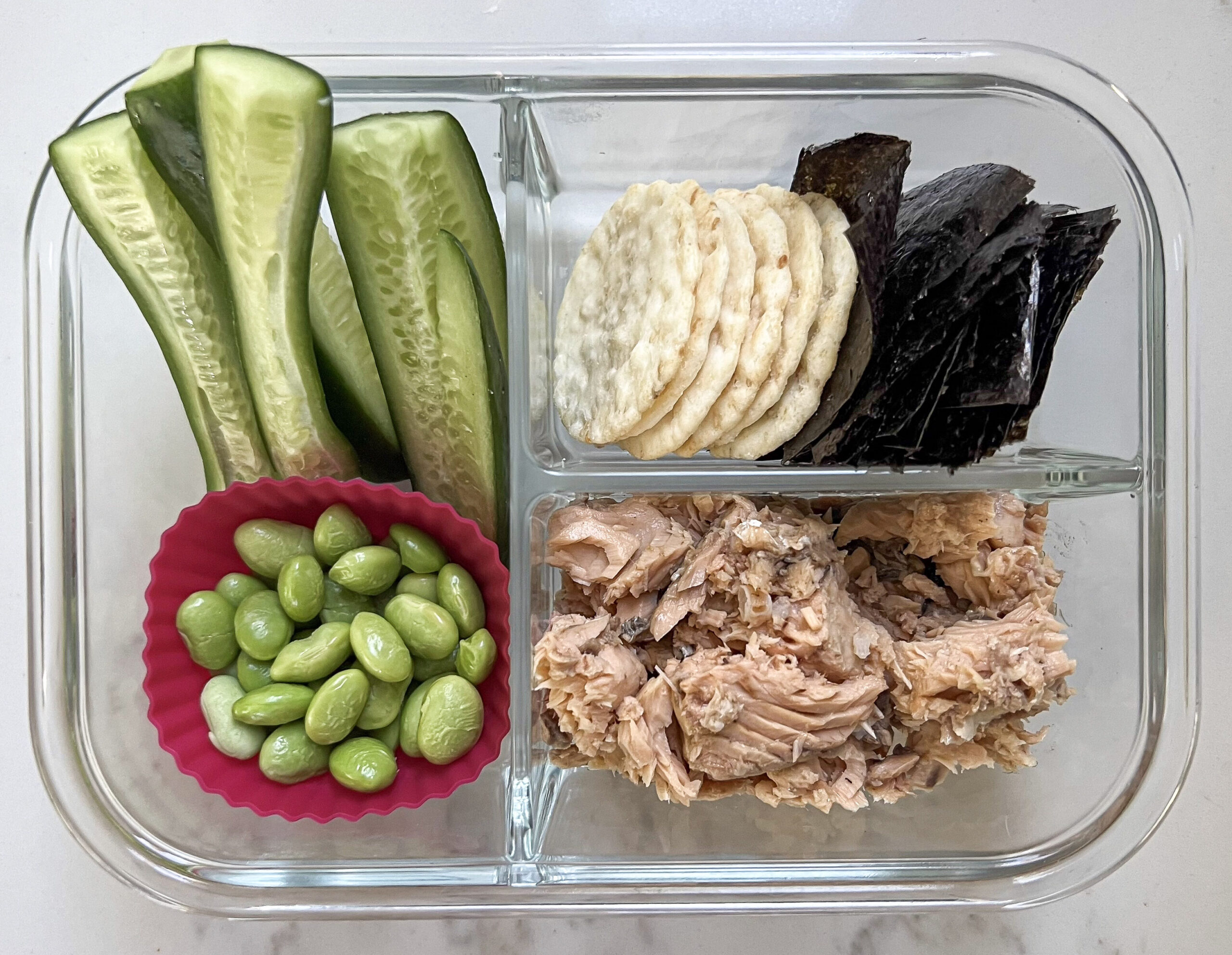
- Sushi-inspired lunch box
- Canned salmon
- Cucumber sticks
- Edamame
- Seaweed/nori snacks
- Rice crackers
- Canadian Harvest lunch box
- Apple slices
- Aged cheddar
- Roasted chickpeas
- Oat crackers
- Trail mix
Did you know:
Canada is one of the world’s top producers of chickpeas, oats, and apples, which are all grown with the help of sustainable crop protection practices.
- Protein-packed lunch box
- Boiled eggs
- Almonds
- Cheese cubes
- Turkey slices
- Snap peas
- Whole grain crackers
- Caprese lunch box
- Cherry tomatoes
- Fresh mozzarella balls
- Basil leaves
- Pesto dip
- Whole grain bread sticks
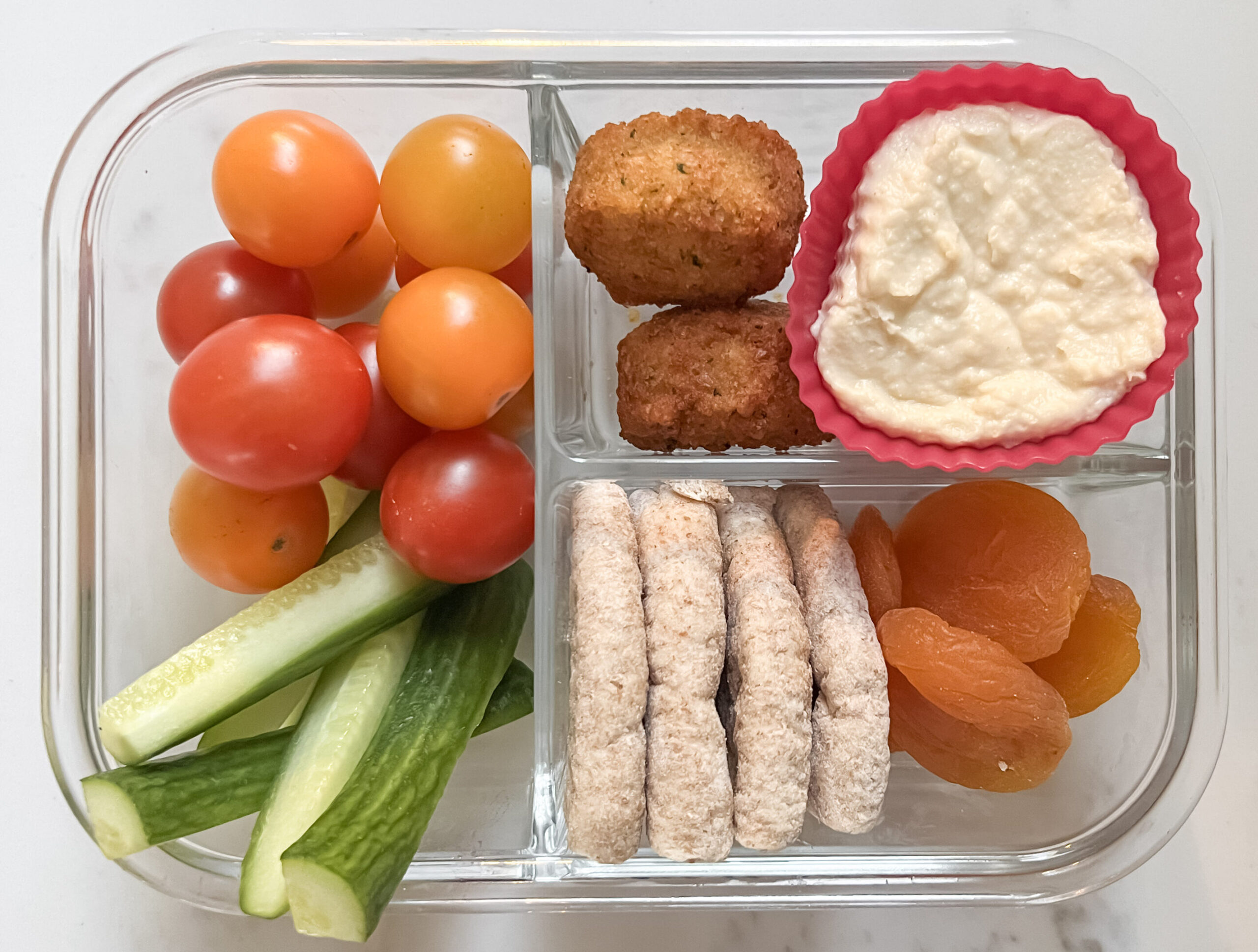
- Falafel lunch box
- Falafel
- Hummus
- Cucumber slices
- Cherry tomatoes
- Pita triangles
- Dried apricots
- Breakfast-for-lunch lunch box
- Hardboiled egg
- Whole grain muffin or English muffin
- Turkey sausage
- Blueberries
- Pizza lunch box
- Whole grain pita
- Pepperoni or salami slices
- Mozzarella
- Cherry tomatoes
- Sliced bell peppers
- Charcuterie lunch box
- Soppressata or salami
- Babybel cheese
- Almonds
- Whole grain crackers
- Gherkin pickles
- Grapes
- Greek-inspired lunch box
- Pre-cooked rotisserie chicken
- Cucumber
- Sundried tomatoes
- Pita
- Olives
- Tzatziki
- Nacho lunch box
- Black beans
- Whole grain tortilla chips
- Shredded cheese
- Tomatoes
- Black olives
- Guacamole
- Antipasto lunch box
- Prosciutto
- Mozzarella
- Roasted red peppers
- Marinated artichokes
- Whole grain breadsticks
- Bagel bite lunch box
- Mini whole grain bagels
- Cream cheese
- Smoked salmon
- Cucumber slices
- Cherry tomatoes
- Sweet & Savory lunch box
- Turkey jerky
- Cheese cubes
- Apple sauce
- Roasted almonds
- Dark chocolate peanut butter cup
- Farmer’s Market lunch box
- Seasonal raw veggies
- Herbed goat cheese
- Whole grain bread
- Roasted cashews
- Seasonal fruit
Did you know:
Plant science innovations help to increase the availability of locally grown food. By protecting crops from pests and diseases, we are able to eat and support more local farms and food businesses throughout the year.
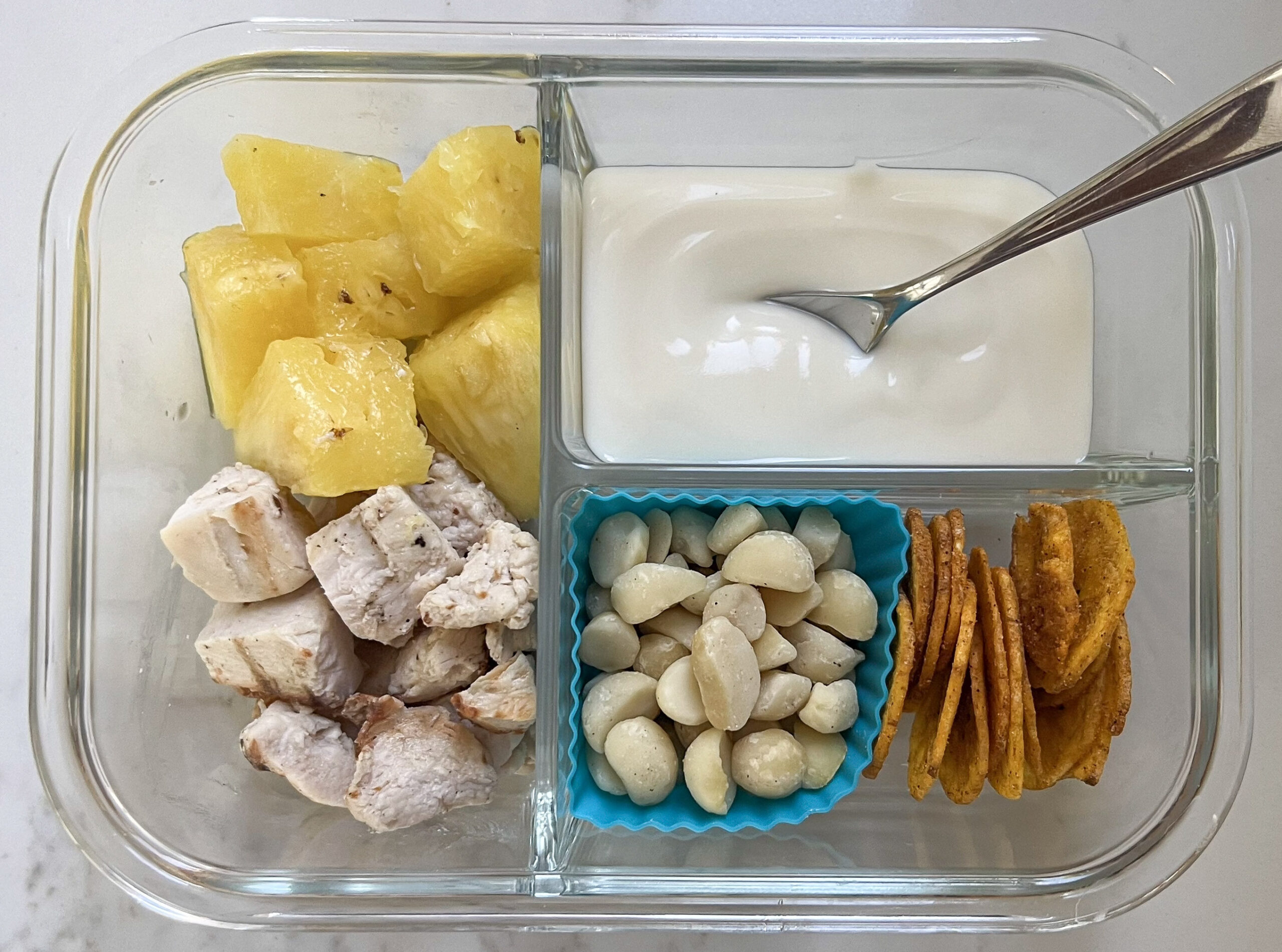
- Tropical lunch box
- Grilled chicken cubes or chicken salad
- Plantain chips
- Coconut yogurt
- Macadamia nuts
- Pineapple chunks
- Crunch-lover lunch box
- Apple slices with almond butter
- Celery sticks
- Parmesan crisps
- Whole grain bread sticks
- Trail mix
- Tofu lunch box
- Air-fried tofu
- Minute rice
- Broccoli
- Peanut butter sauce
- Mango slices
- Cottage cheese lunch box
- Cottage cheese
- Cherry tomatoes
- Everything bagel seasoning
- Pretzels
- Peach slices
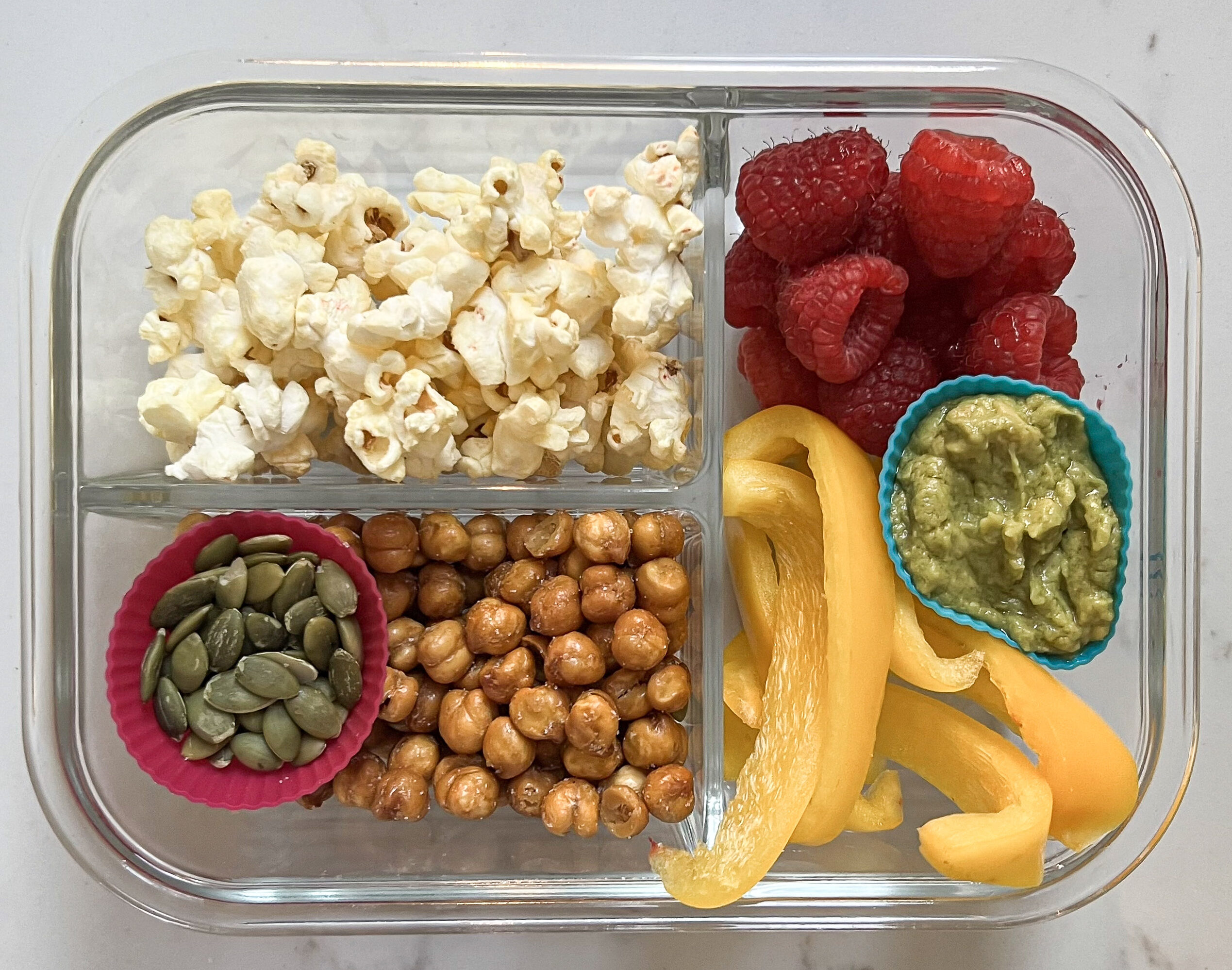
- Plant Power lunch box
- Roasted chickpeas
- Bell pepper
- Guacamole
- Popcorn with nutritional yeast
- Pumpkin seeds
- Raspberries
How to meal prep & store
- Batch-prep your lunchables. Set aside a little time once or twice a week to portion out your lunches. Having them ready to grab saves brainpower and stress during busy mornings.
- Make it fun. Rotate a few favorite combos so lunches don’t get boring. Keep this list of lunchable ideas on your fridge or phone so you don’t have to reinvent the wheel each week.
- Use glass containers or bento boxes. They’re durable, usually microwave- and dishwasher-safe, and make it easy to see what’s inside. Plus, separate compartments help keep crackers crunchy and veggies fresh.
- Most lunchables will stay fresh in the fridge for 3–5 days, depending on the ingredients. Of course, always check for freshness and use your best judgment before eating.
The classic lunchable recipe
Ingredients
- Whole grain crackers
- Cheese
- Deli meats, like turkey, chicken, or ham
- Carrots
- Ranch dressing
- Grapes
Instructions
- Arrange all the ingredients in a glass container or bento box. Keep the crackers and dip separate to maintain freshness.
- Enjoy right away, or store in the fridge for up to 3–5 days.
Too long; didn’t read
- Adult lunchables are quick and flexible to prep. You can balance them with a protein source, fiber, and healthy fats to keep you full and focused throughout the day.
- They’re also a great way to enjoy Canadian-grown foods. Whether organic or conventional, all Canadian produce is safe and nutritious thanks to rigorous testing and science-backed farming practices. I invite you to learn more about them here!
If you want to read more, check out these articles: